Ian Mcregor of the Fire Brigades Union and Phil Chetwynd lay bare the hazards faced by our firefighters in a dangerous changing climate.
It is not a sound that most people like to hear in their neighbourhood. We are however usually relieved to see the flashing lights and hear the blaring sirens of the fire engines rushing to the scene, safe in the knowledge that the firefighters on board will soon have everything under control.
But few are aware of the health and safety issues that our firefighters have to contend with in their day-to-day work. In 2026, the landscape of the firefighters’ work is shifting. More and more complex risks are emerging than ever before, from the rise of lithium-ion batteries and electrical vehicle fires to the frequency of extreme weather events such as flooding and wildfires. These aren’t just ‘occupational hazards’, but challenges that require continuous adaptation and innovation in training, operational procedures, and equipment.
Climate change is playing a major role in making these destructive fires even more dangerous. Strong winds, extreme temperatures, and low rainfall can leave trees, shrubs and fallen leaves and grass dry and primed to fuel a fire. There were 241 recorded wildfires in Scotland last year. In Edinburgh last August a fire on Arthur’s Seat required crews from Edinburgh and the Lothians to attend for eight days. In July, another Arthurs Seat fire saw crews deployed for multiple days. The Scottish Fire Service also attends over 1600 flooding incidents a year. These range from villages being evacuated by boat, to ensuring homes and buildings are kept safe in extreme adverse conditions.
There are also hidden hazards that the general public know little about. Did you know that firefighting is now designated as a ‘carcinogenic’ occupation? The WHO and the IARC (International Agency for Research on Cancer) have both confirmed this. Cancer death rates for firefighters are 1.6 times higher than the general population. And for some specific cancers things are even worse. For Prostate Cancer the rates are 3.8 times higher; for Leukemia it’s 3.2 times higher; and for esophageal cancers the rates are 2.4 times higher. Firefighters aged 35-39 have up to 323% higher cancer incidence than those in the general public. Those serving 15+years are 1.7 times more likely to suffer cancer, with skin cancer most prevalent (36% of cancer diagnoses in one study).
Several countries worldwide have taken this on by putting protections in place, officially recognising firefighting cancers as occupational hazards, and treating them like asbestos hazards. Scotland and the wider UK does not. Instead, the authorities are asking for more research. It’s hard to stomach that in Donald Trump’s America firefighters have more protection than in the UK.
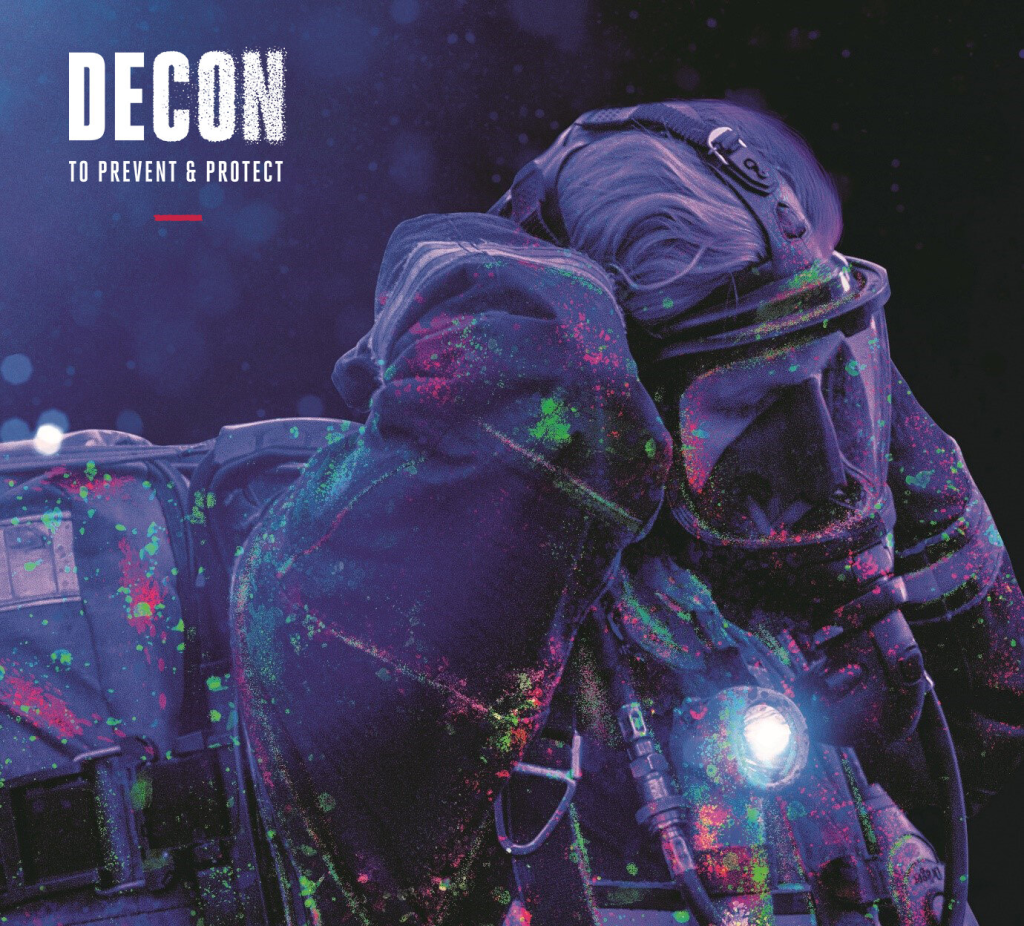
This is why Fire Brigades Union campaigns such as ‘Decon’ (decontamination) are vital in order to ensure that we have the correct processes for decontamination at the incident and back at the station. We must mitigate the danger of toxins, not only for ourselves but also for our families at home.
We must also look after our own mental health and that of our comrades. Contaminants are causing higher rates of mental distress, with firefighters three times more likely to suffer from depression, and twice as likely to suffer with anxiety. A firefighter who is not mentally supported is not a safe firefighter.
There is one final point of great importance, and that is the contribution that the general public has to make for our common safety. Tenants and local councils must ensure that high-rise buildings are constructed of safe materials and are well maintained, with clear plans of action if the alarm is raised during an emergency. Business owners must take their fire risk assessments seriously and implement the findings properly. And, finally, on a personal level, make sure you have a functioning smoke detector in your home. You are four times more likely to die in a fire if you do not have a working smoke alarm.
Sadly, the hazards and risks outlined here must be viewed in the context of diminishing numbers of firefighters. Over 1,200 jobs have been lost to the service since the Scottish Fire and Rescue Service was established in 2013. The FBU warns that further budget constraints could lead to another 500+ job losses over the next three years. We must not let that happen.
Ian McGregor has been an Edinburgh firefighter for over 20 years, and an Fire Brigades Union rep for most of that time.
Phil Chetwynd is an erstwhile clinical psychologist who took up photography when he retired some 25 years ago. He is a member of the Network of Photographers for Palestine.